What to ask when scheduling a pool leak inspection
Understanding what a pool leak inspection covers
A pool leak inspection service looks for water loss in the pool structure and the underground plumbing that carries water to and from the pool. Many homeowners notice their water bill climbing or see the water level drop faster than usual and wonder if the problem is a crack in the shell or a pipe underground. The answer matters because the repair approach is completely different for each. Before you book an inspection, it helps to know what the technician will check and how the testing process works. This way you can ask informed questions and understand the scope of the work.
Why testing the pool structure and plumbing separately matters
Pool water can escape through the shell itself or through the pipes that circulate water. A leak in the structure often shows up as a visible crack, a wet spot around the deck, or a persistent drop in water level even when the pump is off. A plumbing leak, on the other hand, may only appear when the pump runs, or it may cause air bubbles in the return lines. Testing each part separately is the only way to pinpoint the source. If a technician only checks the structure and finds nothing, the plumbing could still be losing water underground. The reverse is also true. A thorough inspection separates the two systems and tests each one independently.
Questions about the inspection scope
When you call a pool leak inspection service, start by asking what the inspection covers. Some services only test the visible parts of the pool, while others use specialized equipment to check underground lines. Ask whether the inspection includes both the pool structure and the plumbing. If the answer is yes, ask how they separate the two tests. A good technician will explain that they first rule out a structural leak by checking the shell, the skimmer, the light niches, and the tile line. Then they move on to the plumbing system. You should also ask whether the inspection covers the spa, if you have one, and any attached features like a waterfall or a fountain. Knowing the full scope helps you compare quotes and avoid surprises.
How the pool structure is tested
Structural testing usually starts with a visual inspection. The technician looks for cracks in the gunite or plaster, loose tiles, and gaps around fittings. They also check the skimmer throat and the light housing, both common leak points. If the visual check does not reveal the source, they may use a leak analyzer or a dye test. A dye test involves adding a colored dye near suspected cracks or fittings while the water is still. If the dye is pulled into a crack, that confirms a leak. The technician may also perform a pressure test on the shell by sealing the returns and using air pressure to see if the shell holds. This method can find hairline cracks that are not visible to the eye. All of these tests are non-invasive and do not damage the pool surface.
How underground plumbing is tested
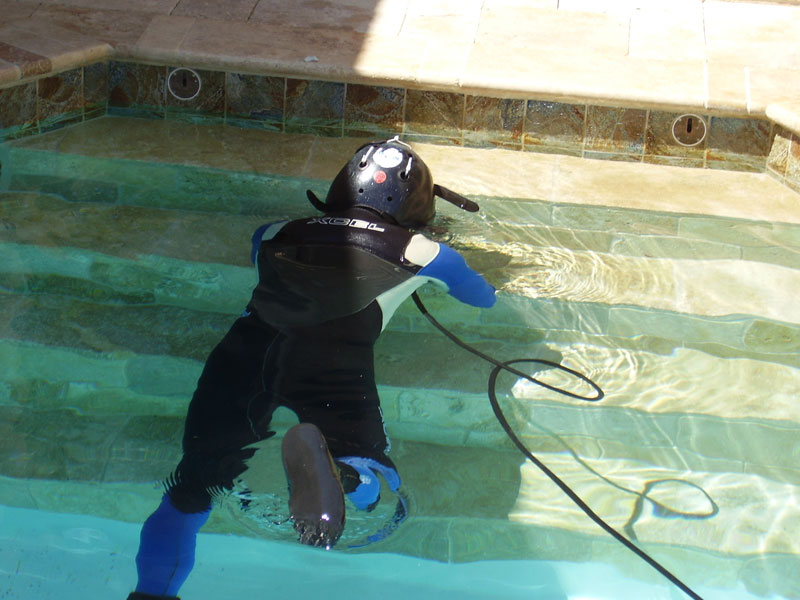
Plumbing leaks are harder to find because the pipes are buried underground or under the pool deck. The technician typically starts by isolating the circulation system. They close valves to separate the suction lines and return lines, then pressurize each line with air or water and watch the pressure gauge. A drop in pressure indicates a leak. Some technicians use a leak analyzer that sends a small electric current through the water in the pipe. The current changes when it passes through a leak, helping the technician locate the break. Another method involves using a listening device or a microphone to hear the sound of water escaping from a pipe. The technician may also insert a small camera into the line to look for cracks or blockages. These tests require access points, such as the pump basket or the filter drain, and the technician will need to open those areas. Ask whether the inspection includes all of these methods or just one. The more thorough the test, the more accurate the diagnosis.
What the water loss rate tells you
Before any testing begins, the technician will measure the water loss rate. They do this by marking the water level at the skimmer and checking it after a set period, usually 24 hours. They also account for evaporation by placing a bucket of water on the pool step and comparing the water loss in the bucket to the loss in the pool. If the pool loses more water than the bucket, a leak is likely. The water loss rate gives a baseline and helps the technician decide which tests to run. A slow leak may be hard to find with pressure testing alone, while a fast leak is often easier to pinpoint. Ask the technician to explain what the water loss rate means for your pool. It is not a diagnosis by itself, but it is an important clue.
Questions about the testing equipment
Different leak detection companies use different tools. Some rely on basic methods like dye tests and visual inspection, while others invest in advanced equipment like electronic leak analyzers, fiber-optic cameras, and sonic listening devices. You can ask what equipment the technician plans to use. A leak analyzer is a common tool for plumbing tests, and a camera can confirm the exact location of a break. If the technician only uses pressure testing without a camera, they can tell you that a leak exists but not exactly where. That may mean digging multiple holes to find the pipe. A camera inspection is more precise and can save time and damage to your deck or landscaping. Ask whether the inspection includes a camera for the plumbing lines and whether there is an extra charge for it. Knowing the equipment gives you confidence in the accuracy of the diagnosis.
What the inspection scope includes and excludes
Some inspections are limited to the pool and spa, while others extend to the equipment pad, the pump, the filter, and the heater. The underground plumbing between the pool and the equipment is usually included, but not always. Ask whether the inspection covers all pipes from the pool to the equipment and any pipes that run to other features like a solar heater or a slide. Also ask whether the technician will check the backwash line, the waste line, and the fill line. These lines are often overlooked but can leak just as much water as the main circulation lines. If the inspection does not cover these areas, you may need to schedule a separate test later. Knowing what is included helps you avoid paying for additional visits.

How the results are reported
After the testing, the technician should give you a clear report of what they found. Ask whether the report includes the location of each leak, the type of leak (structural or plumbing), and the estimated water loss rate. Some companies provide a written report with photos or video from the camera inspection. Others give a verbal summary. A written report is better because it gives you a record for your insurance company or for the contractor who will do the repair. Ask whether the technician can provide a repair estimate based on the findings. Some leak detection services only diagnose the problem and do not do repairs, while others offer both. If you plan to hire a separate repair contractor, a detailed report with photos makes the bidding process easier.
Questions about access and preparation
Before the technician arrives, ask if you need to do anything to prepare. Some tests require the pool water to be at a certain level, or the pump and filter to be turned off. The technician may need access to the equipment pad, the skimmer baskets, and the pump basket. If you have a pool cover, they may need you to remove it. Ask whether the inspection requires digging or breaking any concrete. Most leak detection tests are non-invasive, but if the technician suspects a leak under the deck, they may need to drill a small hole to insert a camera. That is rare, but it is good to know in advance. Also ask how long the inspection will take. A thorough inspection of both the structure and the plumbing can take several hours. Knowing the timeline helps you plan your day.
Why a professional inspection is worth the investment
Finding a pool leak on your own is difficult. The water level can drop for many reasons, including evaporation, splashing, and backwashing. A professional has the training and equipment to separate these causes and find the real problem. They can also identify small leaks before they become large ones. A crack in the structure that goes unnoticed can lead to more damage over time, and a plumbing leak can erode the soil under your deck or your pool shell. Early detection saves money and prevents bigger repairs. A pool leak inspection service gives you peace of mind and a clear path forward. If you are in San Diego and need a reliable diagnosis, you can reach out to sandiegopoolservice.net for a thorough inspection of both the pool structure and the underground plumbing. Their technicians use modern testing equipment to find leaks quickly and accurately. Knowing what to ask before the appointment helps you get the most out of the service. With the right questions, you can ensure the inspection covers everything you need and that you understand the results. That clarity makes the repair process smoother and less stressful.
When the inspection is done, you will know whether the leak is in the structure, the plumbing, or both. You will also know the water loss rate and the exact location of the problem. That information is the foundation for an accurate repair estimate. Without it, you are guessing. A professional inspection removes the guesswork and gives you a plan. Whether you fix the leak yourself or hire a contractor, you can move forward with confidence. The key is to ask the right questions before the technician arrives. That preparation turns a routine service call into a valuable diagnostic tool. For pool owners in San Diego, sandiegopoolservice.net offers the kind of detailed inspection that separates a quick fix from a lasting repair. Take the time to understand what you are paying for, and you will get the most out of your pool leak inspection service.